
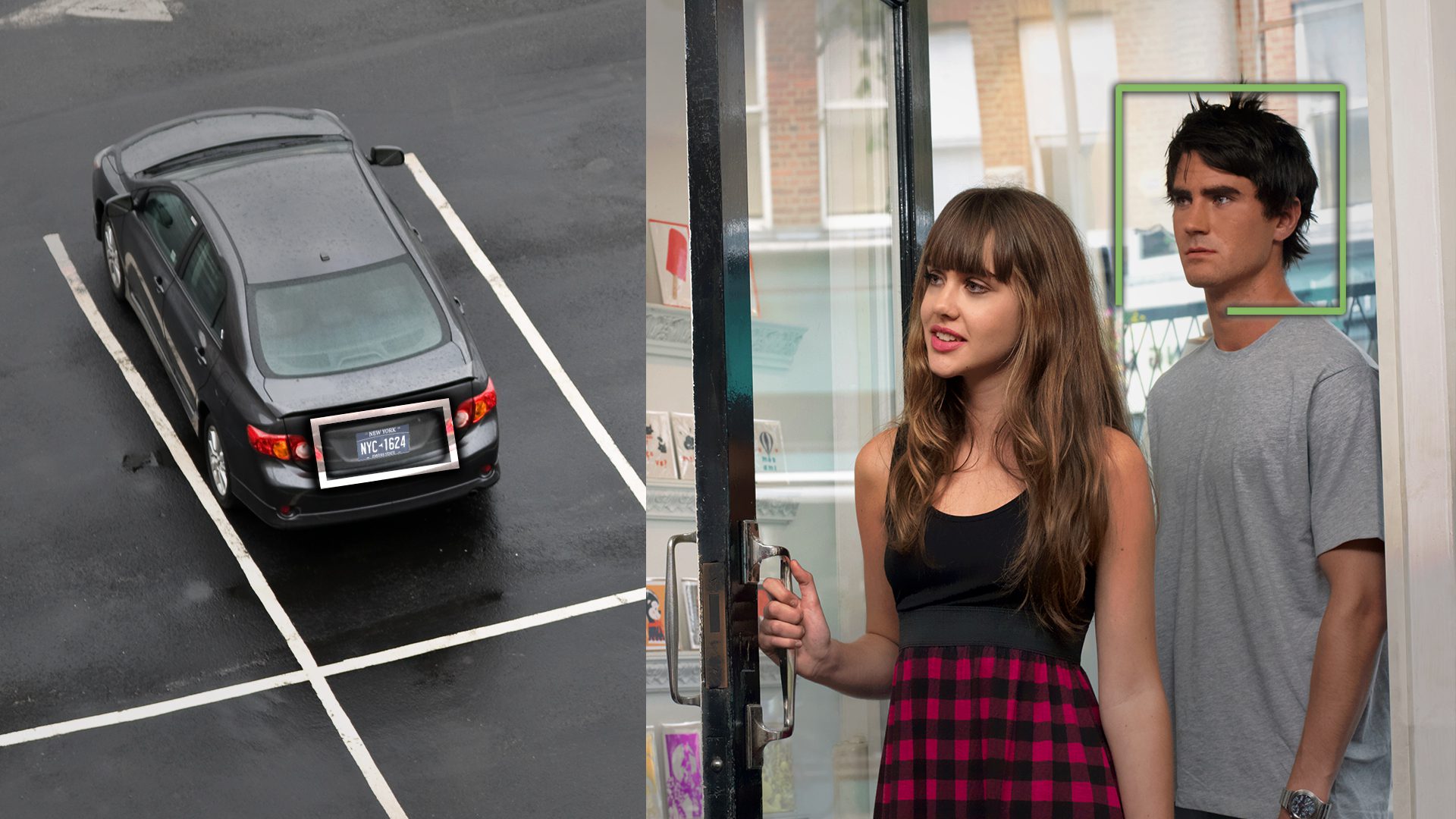
Kudos to the retail and law enforcement teams behind recent ORC ring takedowns. In many cases, License Plate Recognition (LPR) helped identify suspect vehicles. However, as retail crime has become more sophisticated, solutions like LPR are not enough on their own. They are just one tool in the broader fight against organized retail crime. LPR falls short in one crucial area: identifying the person and not just the vehicle. That’s where AI face-matching comes in.
Why AI Face-Matching Compliments LPR
LPR excels at identifying suspicious or banned vehicles, supporting investigations with timestamped vehicle entries, and helping law enforcement with license plate data. But offenders may swap plates or use stolen vehicles, making it harder to connect the vehicle to the individual behind the crime. In fact, LPR doesn’t identify the individual at all. It only tracks the vehicle, leaving a critical blind spot when it comes to knowing who actually entered your store.
Face-matching fills this critical gap that LPR leaves behind. It works indoors where most thefts occur, providing real-time alerts when a known repeat offender enters a store. Unlike LPR, face-matching doesn’t depend on whether a person drove or walked, what car they used, or where the exterior cameras are located.
It’s proactive, helping to prevent retail crime before it happens. With privacy-first, third-party-tested AI, face matching accurately links individuals to specific timestamps and video evidence, supporting investigations and prosecutions.
Better Together: A Holistic Approach
LPR and face-matching AI are not competing technologies. They complement each other depending on the problem you are looking to solve. LPR monitors parking lot entry points and provides perimeter awareness. Face-matching protects the interior, detecting known threats at the door.
Together, they create a layered security strategy that protects people and assets, both outside and inside the store.
Worries swirl around any tool that watches. Fair enough. So let’s set a rule as clear as the glass on the front doors: if a face triggers no alert, the system owes that visitor nothing… no storage, no memory, no trace. The data flows to trash can, not to a vault. Said another way, law-abiding customers maintain their anonymity, while repeat offenders lose their cloak.
Humans First, Circuits Second
Think of facial recognition as a steady flashlight, not an iron gavel. It passes context to security staff, options to managers, and an extra beat of breathing room to employees already juggling a dozen things to do. Judgment stays with the people who shake hands, swap stories, and occasionally walk a scared teenager to a quiet office after a bad encounter.
The Cost of Doing Nothing
Every year, retailers hand billions to organized retail crime – money that could have gone to raises, to remodels, or lowering prices. We keep feeding that loss when we refuse practical tools simply because they feel new. Courage, in this case, isn’t loud; it’s the quiet decision to place an extra shield between harm and the everyday lives unfolding on the sales floor.
So here’s the ask: give this technology fair consideration. Offer dignity to honest shoppers, confidence to your employees, and a tougher road to those who profit from dishonesty.
Safety, after all, is the one product every store should always keep on the shelf – never marked down, never out of stock. Because before a single item is sold, people need to feel protected.
It’s not just good business; it’s the right thing to do.